Nobody Needs a New Dress for a Brunch: Breaking Up With Occasion-Wear Culture
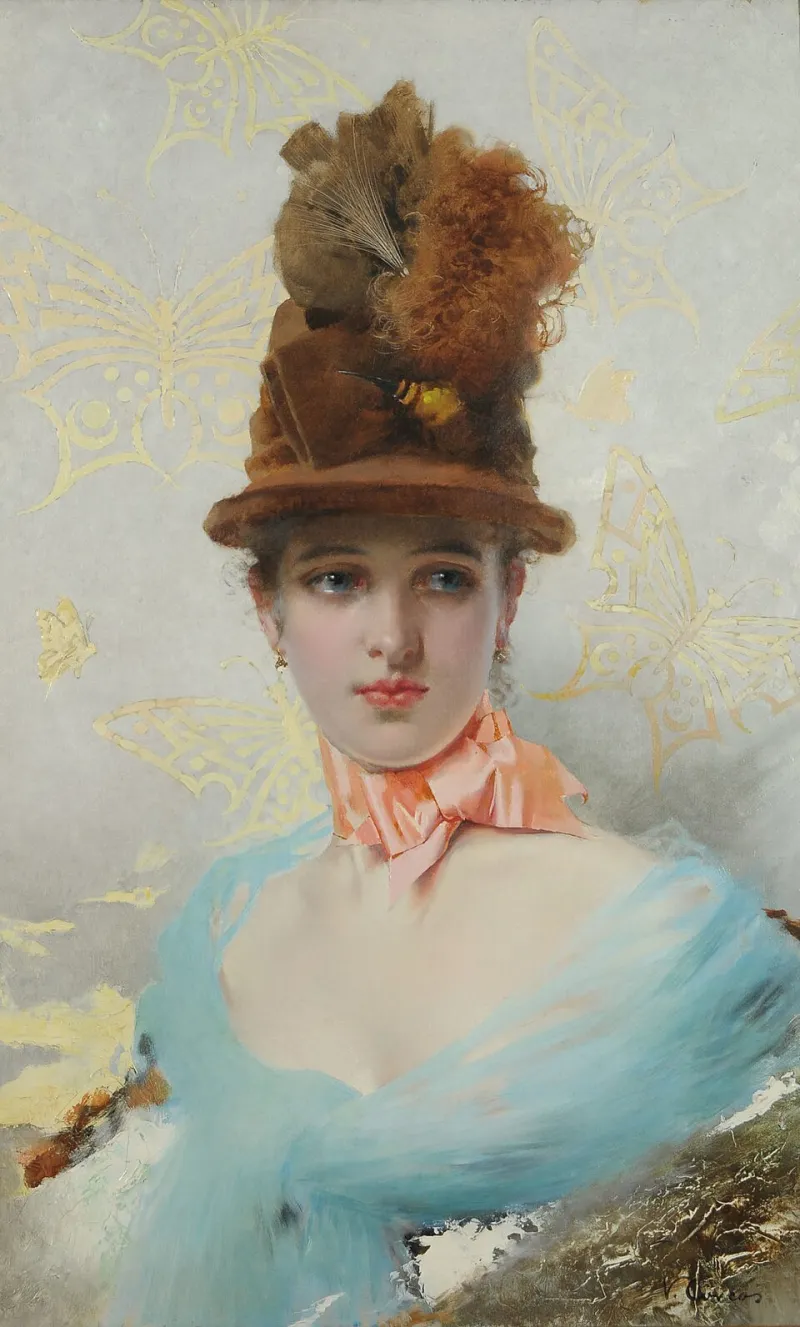
Photo: Vittorio Matteo Corcos, Public domain, via Wikimedia Commons
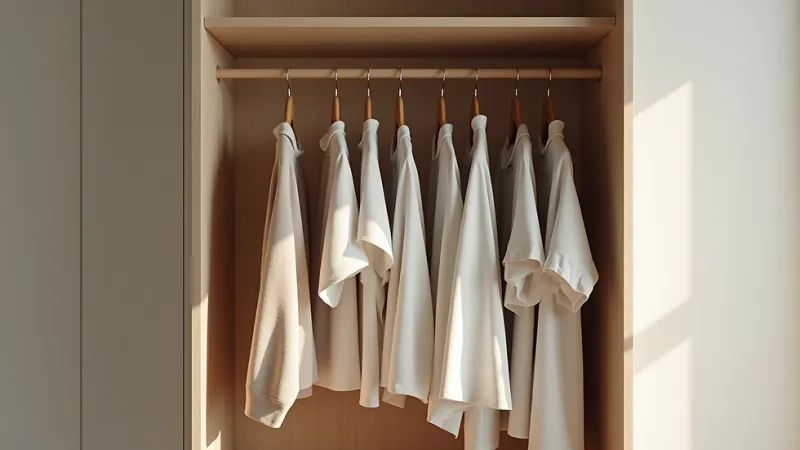
Open your closet right now and count the dresses that have been worn exactly once.
The beach wedding maxi. The rehearsal dinner slip. The baby shower floral that's too nice for brunch and too specific for anything else. If you're a woman in America with an active social calendar, you probably found at least three, and each one cost somewhere between $80 and $300, and each one is currently performing its primary function, which is holding space.
We don't talk enough about occasion-wear as a consumption engine. Fast fashion gets the headlines, but the quiet repeat business is in events: weddings, showers, engagements, reunions, the holiday party, the second holiday party, the friend's second wedding. Every invitation arrives with an unspoken invoice attached, and we pay it, over and over, for the privilege of being photographed once.
How This Became Normal
Blame a perfect storm: Instagram turned every guest into content, making outfit repetition feel like a public relations risk. Fast fashion made a $45 dress feel disposable, because it was. And a genuine cultural shift — the decline of the "good dress" that our grandmothers wore to every wedding for a decade — means nobody has a template anymore for dressing up without buying.
Here's the part that should make you angry: the pressure is almost entirely imaginary. Ask around. Nobody remembers what anyone wore to a wedding. People remember the couple, the cake, and whether the toast went long. You are spending money and closet real estate to impress an audience with a memory span of one weekend.
The Five-Occasion Wardrobe
Instead of buying per event, buy per category. Five pieces, chosen once, cover virtually every invitation an American adult receives:
1. The formal workhorse. A floor-length or midi gown in a deep neutral — black, navy, emerald. Works for black-tie, fall weddings, galas. Accessorize differently each time; nobody at an evening event is doing a background check.
2. The daytime wedding dress. Something in a fabric that doesn't read "evening" — a floral you actually love, a structured midi. This is the piece worth investing in, because daytime weddings are the most frequent invite in American life.
3. The elevated casual. A great jumpsuit or skirt-and-top combo for showers, engagement parties, and graduations. Reusable endlessly precisely because it's not memorable.
4. The holiday answer. Something with texture — velvet, sequins, metallic thread — that reads festive every December for the next decade.
5. The wildcard. One piece that's genuinely you, for the events that don't fit the other four.
Buy these secondhand, rent them, or buy them well and keep them forever. The math is brutal in your favor: five pieces versus fifteen single-use dresses.
The Repeat, and the Comment
Someone will eventually say it. "Wait — weren't you wearing that at Sarah's wedding?" Here are your scripts, tested by yours truly:
The cheerful redirect: "Yes! I love this dress. That's kind of the point." Said warmly, it ends the conversation and quietly makes the asker feel weird.
The factual one: "I've stopped buying clothes for one day of use. It's been great." This one educates without accusing.
And for the truly committed: "You noticed! I've worn it three times now. Cost per wear is getting really satisfying."
What You Actually Lose
Nothing. That's the punchline. I've worn the same emerald dress to four weddings in three years, and the only person who ever mentioned it was my sister, who thought it was funny the second time and inspiring by the fourth. The photos look different because the accessories, hair, and — honestly — the version of me in them look different.
The invitation was never asking for a new dress. It was asking for you. Show up in the one you love.