The Thread Runs Through Carolina: Following American Clothes From Mill to Closet
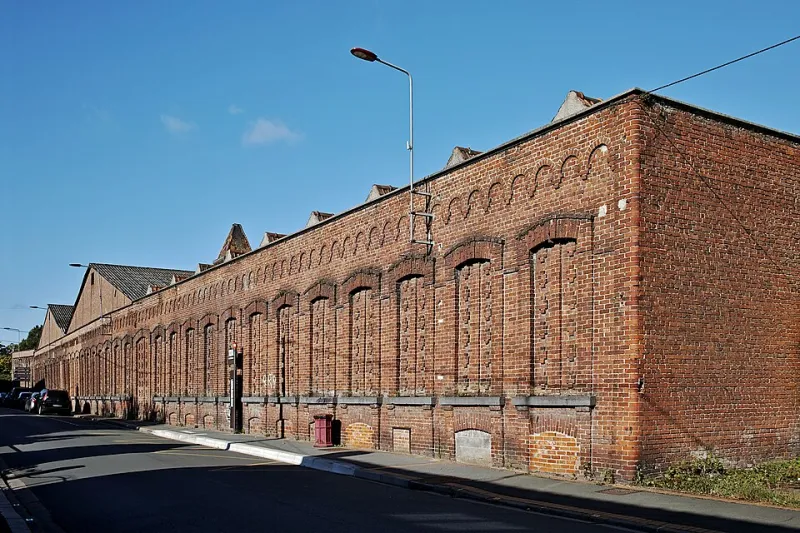
Photo: Velvet, CC BY-SA 4.0, via Wikimedia Commons
There's a stretch of North Carolina highway where the old textile mills still stand, brick and tall-shouldered, some converted to breweries and apartments, some still running. This state used to make most of America's clothes. Then the '90s trade agreements came, the jobs left, and the mills went dark — tens of thousands of them, nationwide.
What's happening now is not a full renaissance. It's smaller than that and more interesting: a slow, deliberate rebuilding, one specialty mill and one independent brand at a time. And if you care about labor ethics, it's worth understanding what's actually being rebuilt — and what's just being marketed that way.
What 'Made in USA' Actually Means (Legally)
Here's the caveat most shoppers don't know: under FTC rules, a "Made in USA" claim requires that the product is "all or virtually all" domestic — meaning the materials and processing, not just the final stitch. But plenty of labels play in the gray zone. "Made in USA with imported fabric" is legal and common. "Assembled in USA" means exactly what it sounds like, and considerably less. A garment can be cut and sewn in Los Angeles from cotton grown overseas, dyed with chemicals discharged overseas, and carry a label that most shoppers read as fully American.
If the label matters to you, read past the flag. The best brands tell you the whole chain — farm, mill, cut-and-sew — because they're proud of it. The vague ones tell you it was "designed in" someplace.
Who's Actually Making Things Here
The landscape, honestly mapped:
The Carolinas are the denim and cotton story. Cotton Clock in North Carolina, and brands like Raleigh Denim Workshop, which cuts and sews jeans in Raleigh and sources denim from the historic Cone Mills White Oak plant legacy in Greensboro. The Southeast's advantage is proximity: cotton, spinning, weaving, and sewing within a few hundred miles of each other — a supply chain you can drive.
Los Angeles is the cut-and-sew capital. The downtown garment district remains the largest apparel manufacturing hub in the country, and brands like American Giant built their entire pitch on LA production after a 2012 Slate article torched the quality of the era's imported hoodies. The caveat: LA's garment industry has also faced serious wage-theft investigations, so domestic doesn't automatically mean ethical. The best LA shops pay a living wage and say so by name.
The Northeast owns knits and heritage wool. Small operations in New England and upstate New York — think of the resurgence around mills like American Woolen in Stafford Springs, Connecticut — are keeping knitwear and woolen fabric production alive at a scale that's artisanal by necessity.
Why Domestic Matters — and Where the Argument Gets Complicated
The ethical case for US production is mostly about enforceability. Domestic factories operate under US labor law: OSHA oversight, federal minimum wage, the actual threat of lawsuits. A "fair trade certified" factory overseas is governed by a certification; a factory in North Carolina is governed by a legal system. Neither is perfect. One has teeth.
But let's be honest about the trade-offs. Domestic production usually means higher prices, which raises the question of who sustainable fashion is actually for. And shipping raw materials across an ocean to sew them in California can have a bigger carbon footprint than making the whole garment closer to where the materials come from. "Made in USA" is an argument about labor, primarily. It is not automatically an argument about the planet.
How to Verify, in Two Minutes
Check the brand's website for a supply chain page with named partners. Look for the specific FTC-compliant label language, not just a flag graphic. Search the brand name plus "wage" or "investigation." And if a company says "sourced responsibly" without naming a single supplier, that's not modesty. That's a script.