What the Inside of Your Closet Reveals About How You Actually Shop
Nobody talks about storage like it's a personality test. But honestly? It kind of is.
Open your closet right now — or don't, if you're not ready for that level of self-reflection. Either way, think about what's in there. Are things folded in neat, visible stacks? Are they crammed onto hangers so tightly that pulling one item out disturbs three others? Is there a chair nearby doing most of the real work? The physical state of your storage isn't just a matter of tidiness. It's a mirror. And it's pointing directly at how you think about ownership, intention, and yes — how you shop.
At Folded & Co., we believe the wardrobe is a living document. What you keep, how you keep it, and whether you can even find it on a Tuesday morning — all of it adds up to something worth paying attention to.
The Pile Person vs. The Folder: More Than a Personality Type
Let's start with the basics. People generally fall into a few storage archetypes, and while none of them are inherently wrong, each one carries a set of habits worth examining.
The Piler shoves things in drawers with good intentions and a vague promise to deal with it later. Shirts get lost. Forgotten pieces resurface months after you've mentally written them off. The Piler often buys duplicates — not out of love, but out of not knowing what they already have. Sound familiar? The pile isn't laziness. It's usually a symptom of owning more than your system can handle.
The Hanger-Only Person treats their closet rod like prime real estate and their drawers like a junk zone. Everything visible gets worn. Everything else disappears. This person tends to think they don't have enough to wear while simultaneously running out of hangers. They shop to fill perceived gaps that aren't actually there.
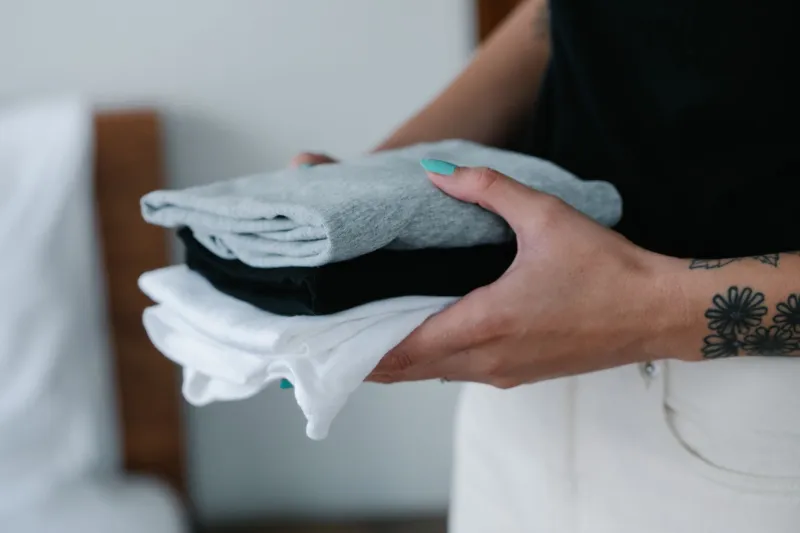
The Meticulous Folder — and we say this with genuine admiration — knows exactly what they own. They've usually done the hard work of editing their wardrobe down to a size their system can actually support. They're not necessarily minimalists, but they've built a storage practice that makes unconscious buying harder. It's difficult to impulse-purchase when you know there's literally no room for one more neatly folded square.
The Roller is often the most pragmatic of the bunch. Rolling works beautifully for soft knits and travel-friendly pieces, and people who default to it tend to have a practical, unsentimental relationship with their clothes. They care about function. They're usually pretty honest about what they actually reach for.
None of these types are destiny. But recognizing which one you are is a genuinely useful starting point.
Why Storage Is a Consumption Problem (Not Just a Space Problem)
Here's the thing most closet organization content misses entirely: storage isn't just about fitting more stuff in. It's about making what you already own visible, accessible, and — this part matters — accountable.
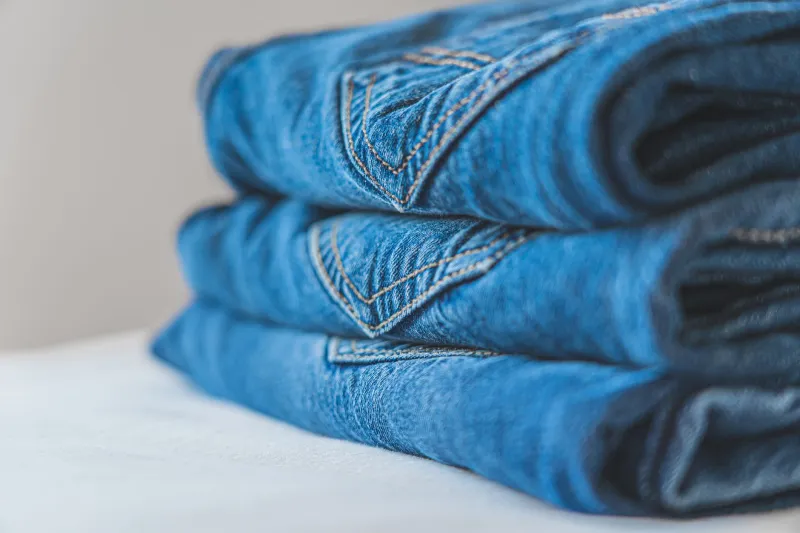
When clothes are hidden, buried, or tangled, they stop registering as things you own. Out of sight, out of mind is cute as a phrase and devastating as a shopping habit. If you can't see your gray crewneck, you'll buy another gray crewneck. If your jeans are in a heap at the bottom of a drawer, you'll convince yourself you need a new pair. Disorganized storage creates the illusion of scarcity in a closet that's actually full.
This is one of the quieter ways overconsumption sustains itself. It's not always about wanting more. Sometimes it's just about not being able to find what you have.
Reorganizing your storage — genuinely reorganizing it, not just folding things differently for a weekend — forces a reckoning. You have to touch every item. You have to decide where it lives. That process alone tends to surface things you forgot you loved, things you've been avoiding, and things you honestly cannot justify keeping. It's an audit disguised as a Saturday afternoon project.
The Practical Case for Folding (and What It Actually Changes)
We're not here to sell you on any one method. KonMari, the ranger fold, the classic retail square — whatever works for your space and your brain is the right answer. But we do want to make a case for intentional folding as a practice, not just a chore.
When you fold something carefully, you're making a small decision: this is worth taking care of. That's not a trivial shift. It's the same logic behind hanging up your coat instead of throwing it on the couch, or washing something properly instead of just hoping for the best. These micro-acts of care compound over time into a different relationship with what you own.
And that relationship — one where you're present with your stuff instead of just surrounded by it — is exactly the mindset that makes conscious consumption possible. You start to notice when something is worn out and actually needs replacing versus when you're just bored. You start to feel the difference between a gap in your wardrobe and a whim.
How to Use Your Storage System as a Reset
If you want to take this beyond theory, here's a simple way to start:
Pull everything out of one section. Just one — a drawer, a shelf, a portion of your rod. Don't do the whole closet at once unless you have an entire free day and a high tolerance for temporary chaos.
Handle each piece before putting it back. Not to spark joy necessarily, but to actually register that it exists. Ask yourself: Do I know this is here? Do I reach for it? Does it fit how I live right now?
Fold or hang things in a way that makes them visible. Vertical folding in drawers is genuinely useful here — you can see everything at a glance instead of only the top layer. For hanging, group by type or color so your eye can actually process what's there.
Leave a little space. This one is counterintuitive but important. A slightly underfull drawer is a drawer you can actually use. A packed-to-capacity closet rod is a sign that the system is already strained. Breathing room isn't wasted space — it's the thing that makes the whole system sustainable.
The Point Isn't Perfection
A beautifully organized closet isn't the goal. The goal is a wardrobe you actually understand — one where you know what you have, you can find what you need, and you're not constantly shopping to fill holes that don't exist.
How you store your clothes is a habit. And like most habits, it shapes your behavior in ways that are easy to miss until you look directly at them. The fold test isn't about judging your system. It's about getting honest with yourself about what that system is quietly costing you — in money, in mental load, and in the ongoing project of figuring out what you actually want to keep.
Wear less. Mean more. It starts, maybe, with a drawer.