Breaking Up (A Little) With Your Favorite Ethical Brand
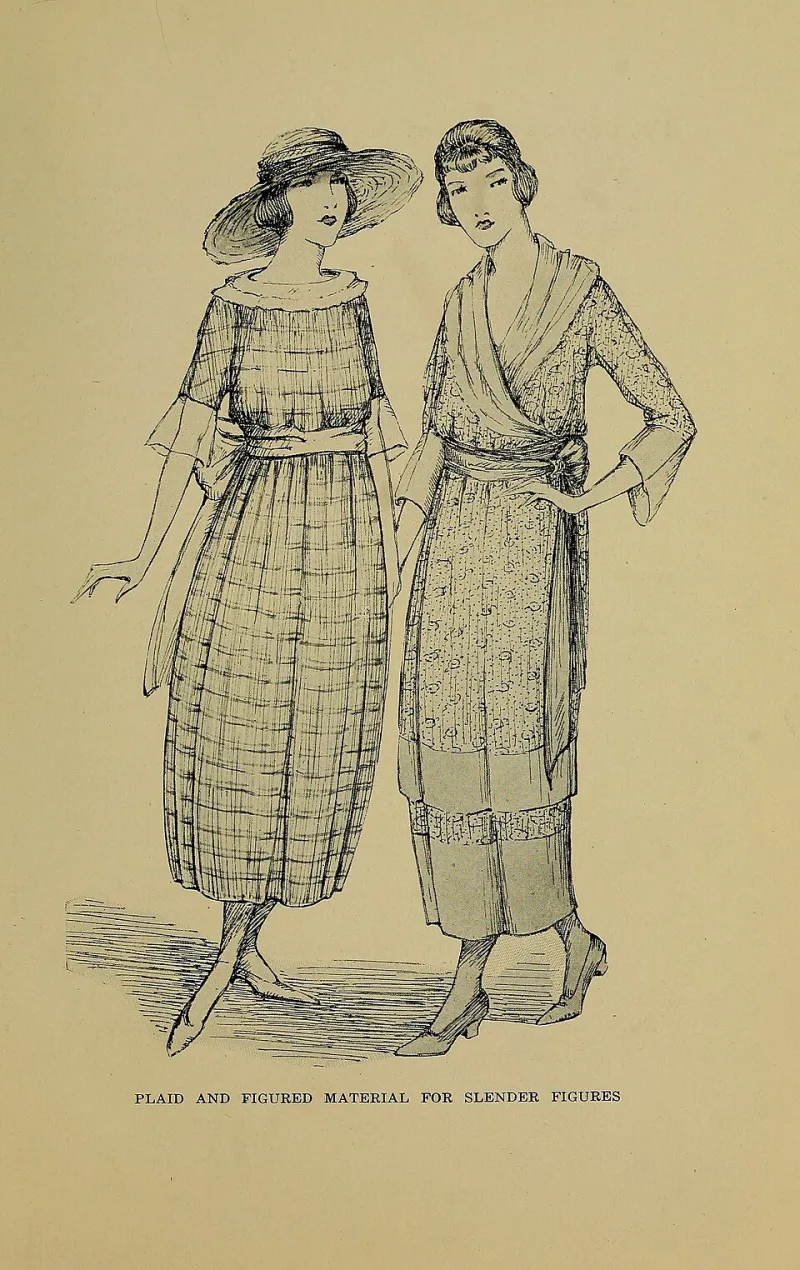
Photo: Internet Archive Book Images, No restrictions, via Wikimedia Commons
When 'I Trust This Brand' Becomes 'I Only Buy This Brand'
There's a particular kind of relief that comes with finding a brand that actually does the work — pays fair wages, uses low-impact materials, publishes a real supply chain audit instead of a vague "we care" statement on their About page. That relief is legitimate. The ethical fashion landscape is exhausting to navigate, and stumbling onto something that checks your boxes feels like winning.
But somewhere in that relief, something sneaky happens. You stop shopping around. Not because everything else is bad, but because this feels safe. And safe, over time, starts to feel like the only option.
This is the loyalty trap — and a surprising number of conscious consumers are sitting right in the middle of it without realizing it.
The Psychology of Ethical Brand Attachment
Here's the thing about shopping with values: it's emotionally expensive. Every purchase involves research, second-guessing, and a low-level anxiety about whether you're making the right call. When a brand removes that friction — when you already know they're legit — your brain rewards you for going back. It's efficient. It's comfortable. It starts to feel almost virtuous.
Psychologists call this "cognitive ease." We're wired to return to familiar sources of good outcomes, and in the sustainable fashion space, a verified ethical brand is absolutely a source of good outcomes. The problem is that cognitive ease doesn't distinguish between "this is genuinely the best choice" and "this is the choice I already know how to feel good about."
Add to that the social dimension. In conscious consumer communities — whether that's a Reddit thread, a group chat, or just your friend group — certain brands carry social currency. Wearing or recommending them signals membership. Straying from the approved list can feel, weirdly, like a betrayal of the cause. Even if the alternative is better made, better fitting, or better priced.
That's not values-based shopping. That's peer pressure with a sustainability rebrand.
What You're Actually Missing
The sustainable fashion space has grown dramatically in the last five years. Small independent designers working with deadstock fabric, regional makers using domestic supply chains, secondhand platforms that have gotten genuinely sophisticated — the options are real and they're multiplying.
When you funnel all your purchasing loyalty into one or two brands, you opt out of that ecosystem. You miss the Brooklyn-based designer doing incredible work with upcycled deadstock denim. You miss the small-batch knitwear studio that would fit your body and your aesthetic better than anything you've bought in two years. You miss the thrift find that would become the most-worn piece in your rotation.
More practically: no single brand is going to nail every category for you. That's just not how it works. The brand you love for basics might make mediocre outerwear. Their sizing might run inconsistently. Their aesthetic might be evolving in a direction that no longer matches yours. Loyalty doesn't fix any of that — it just makes you less likely to notice.
The Guilt Mechanism (And Why It's Worth Examining)
Some of this stickiness is guilt-driven, and it's worth being honest about that. Sustainable fashion brands are often smaller operations. You know the founders are real people. You've read their newsletter. You feel, in some low-level way, responsible for keeping them going.
That instinct isn't bad. Supporting independent, ethical businesses matters. But it becomes a problem when guilt starts making your purchasing decisions instead of genuine preference. Buying something that doesn't quite work for you, from a brand you feel obligated to support, is not a radical act of conscious consumption. It's just a bad purchase with a story attached.
Your wardrobe doesn't owe any brand its loyalty. Your dollars are a resource — and spending them thoughtfully means spending them on things you'll actually wear, not on things that make you feel like a good person in the checkout moment and then hang unworn for eight months.
A More Liberated Way to Shop with Values
None of this is an argument for abandoning the brands you love or throwing your vetting process out the window. It's an argument for holding your values and your preferences as separate questions that both deserve honest answers.
Here's a practical reframe: instead of starting with "which brands do I trust" and then shopping within that list, start with "what do I actually need" and then apply your values as a filter to whatever options exist. The order matters. Need-first shopping keeps your wardrobe functional. Brand-first shopping keeps your wardrobe ideologically tidy but practically cluttered with things that don't quite fit.
Some concrete moves that help:
Audit your repeat purchases. If you've bought from the same brand three or more times in the past year, ask yourself honestly whether each piece earned its place or whether you defaulted there out of habit.
Set a deliberate "new to me" budget. Even a small allocation — say, one purchase per season — forces you to look outside your comfort zone and builds your awareness of what else is out there.
Separate research from shopping. Spend time learning about new designers, emerging sustainable labels, or secondhand platforms without the pressure of an immediate purchase. Familiarity with alternatives reduces the friction of trying them.
Let go of brand loyalty as an identity signal. Your values don't live in a label. They live in how you think about what you own, how long you keep it, and how honestly you assess what you actually need.
The Wardrobe That Works Is the One You Wear
Folded & Co. has always been about wearing less and meaning more — and that philosophy applies just as much to your relationship with brands as it does to the number of pieces in your closet. A wardrobe built on obligation, guilt, and social signaling is just as bloated as one built on impulse buys. The currency is different, but the result is the same: stuff that doesn't serve you.
The most ethical thing you can do with your money is spend it carefully, on things that last, from producers who treat people and the planet well. That's a standard — not a brand name. Hold the standard. Let the options stay open.
Your favorite ethical brand will be fine. And your wardrobe? It might finally get interesting.